

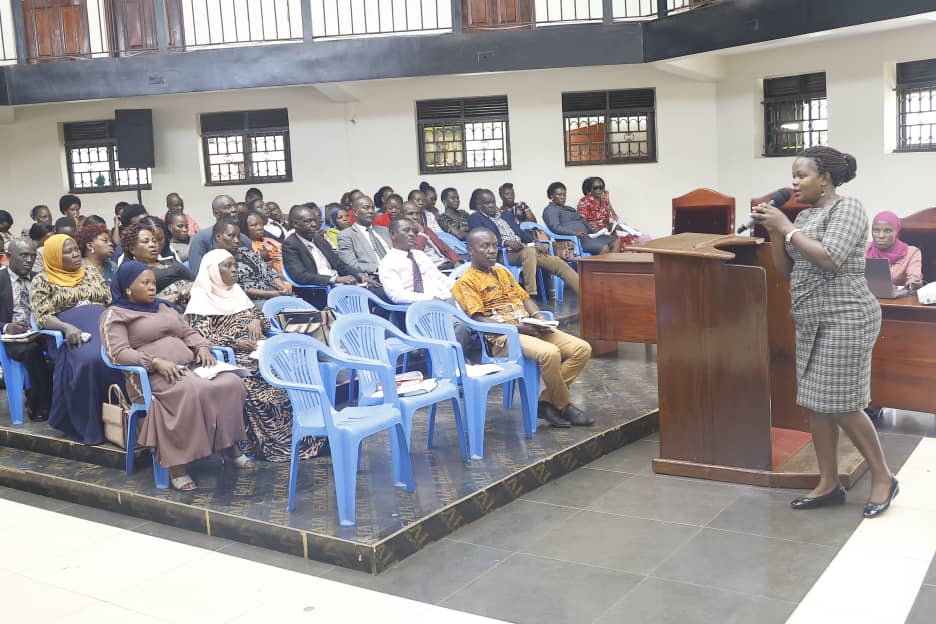
Headteachers in Wakiso District have been urged to begin preparing early for retirement in order to avoid financial strain, stress, and health challenges after leaving active service.
The call was made during a two-day pre-retirement training workshop for primary school headteachers drawn from education zones including Nsangi-Kyengera, Kajjansi, Katabi, Kakiri, Namayumba, and Busii.
The workshop brought together education officials, human resource officers, and school administrators to equip teachers with skills in financial planning, estate management, and life after employment.
Speaking during the training, Wakiso Deputy Chief Administrative Officer Godfrey Kiiza Rwakijuma warned teachers against delaying retirement planning until the final years of service.
“We must plan ahead and plan early,” Rwakijuma said. “Teachers should live within their means, embrace estate management, and avoid extravagant lifestyles if they want to retire comfortably.”
Senior Human Resource Officer Katamba Mathias expressed concern over the rising number of teachers opting for early retirement, saying many enter retirement without adequate preparation.
“Three quarters of retiring teachers retire through early retirement,” Katamba noted. “Failure to prepare often leaves retirees struggling with gratuity and pension-related challenges.”
Retired educationist Elidad Tomusange encouraged teachers to remain active after retirement to reduce stress and maintain productivity, noting that many retirees struggle with adjusting to life outside formal employment.
“Many retirees struggle with stress, ageing and how to use their time after employment,” Tomusange said. “Retirees are still resource persons in society because of the leadership positions they held.”
Tomusange said he has remained economically active through cattle keeping, piggery, poultry farming, and maize cultivation using manure from livestock, which he described as a sustainable post-retirement livelihood strategy.
Retired headteacher Rebeccah Nalule Kayanja also urged teachers to prepare both psychologically and financially, warning that reduced income, delayed gratuity payments, illness, and shifting social roles often affect retirees.
“Health is not in the hospital, it is in the kitchen and the garden,” Kayanja said, encouraging retirees to embrace proper nutrition, farming, and healthy living habits.
District education officials said retirement planning should begin immediately after joining government service. Human Resource Officer Kalanzi William noted that retirement brings major lifestyle changes, including loss of regular income, loneliness, declining health, and increased dependence on family members.
Officials also guided participants on the required documentation for processing retirement benefits, including appointment letters, confirmation letters, birth certificates, national IDs, bank statements, payslips, and retirement notification letters.
The workshop further highlighted common challenges delaying pension and gratuity payments, such as missing appointment letters, inconsistent personal records, delayed submissions, non-pensionable appointments, and family disputes over benefits.
Participants were encouraged to join SACCOs and social security schemes, invest early, avoid excessive borrowing, and establish alternative income-generating activities such as farming, self-employment, and community service after retirement.
